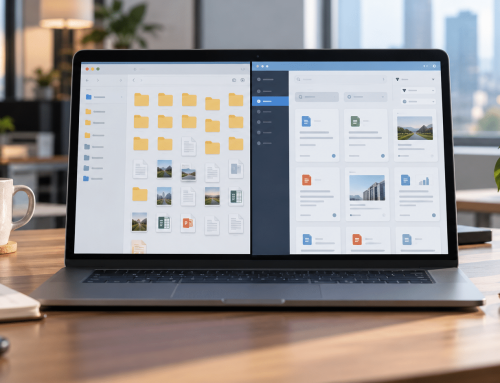
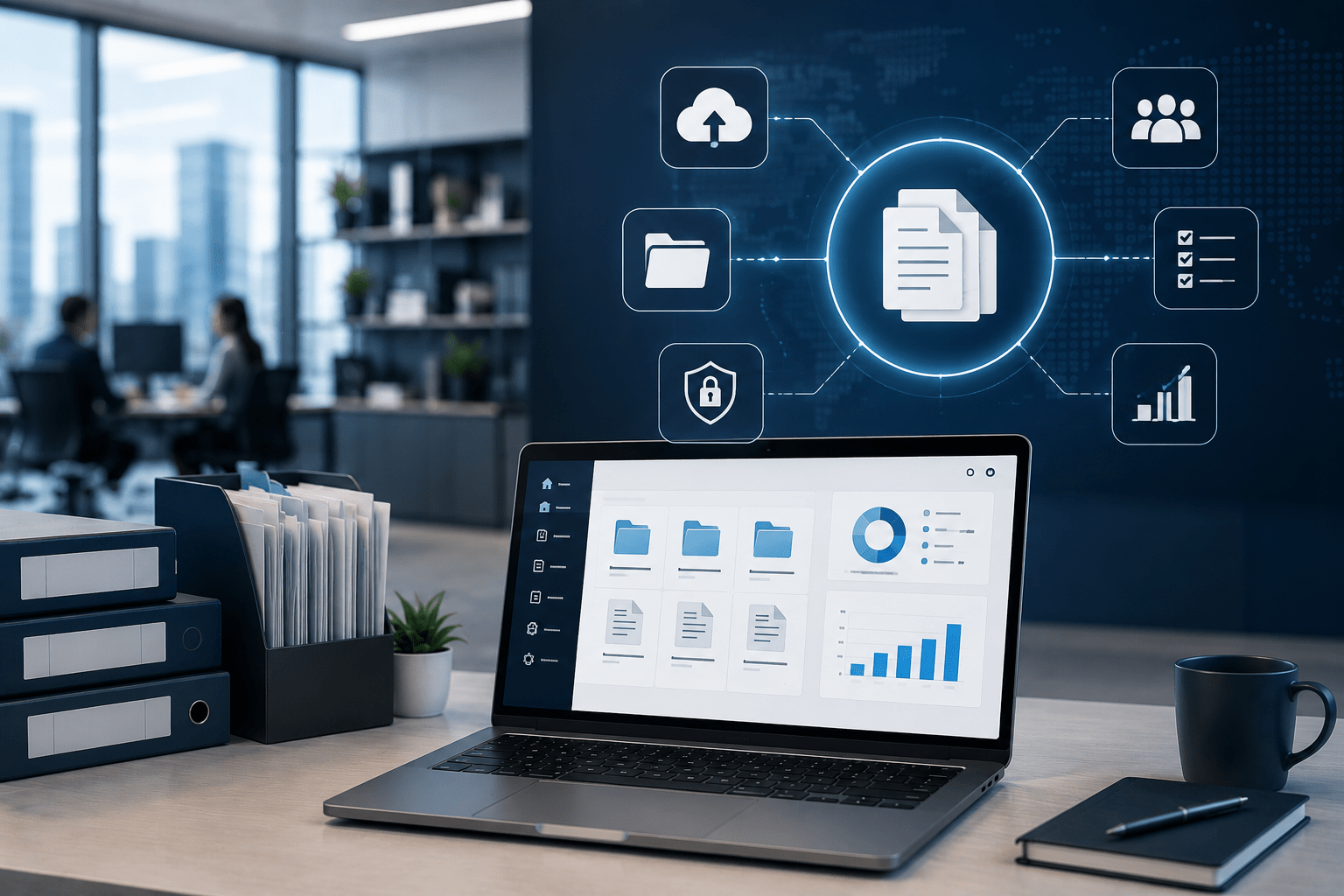
An enterprise document management system helps businesses manage their documents in a simple and organized way.
As companies grow, documents start getting scattered across emails, folders, and different systems. Finding the right file becomes difficult, multiple versions get created, and approvals take longer than they should.
An enterprise document management system (EDMS) solves this by bringing everything into one place. It helps you store, find, control, and move documents without confusion.
Document Management solutions like Docupile make this even easier by adding automation and smart organization, so your team spends less time managing files and more time getting work done.
Ebook: Enterprise Document Management System (EDMS)
What Is an Enterprise Document Management System ?
An enterprise document management system (EDMS) is a software that helps you store, organize, and control documents across your business.
Instead of keeping files in random folders, an EDMS keeps everything structured and easy to find. It also controls who can access documents and how they move within your organization.
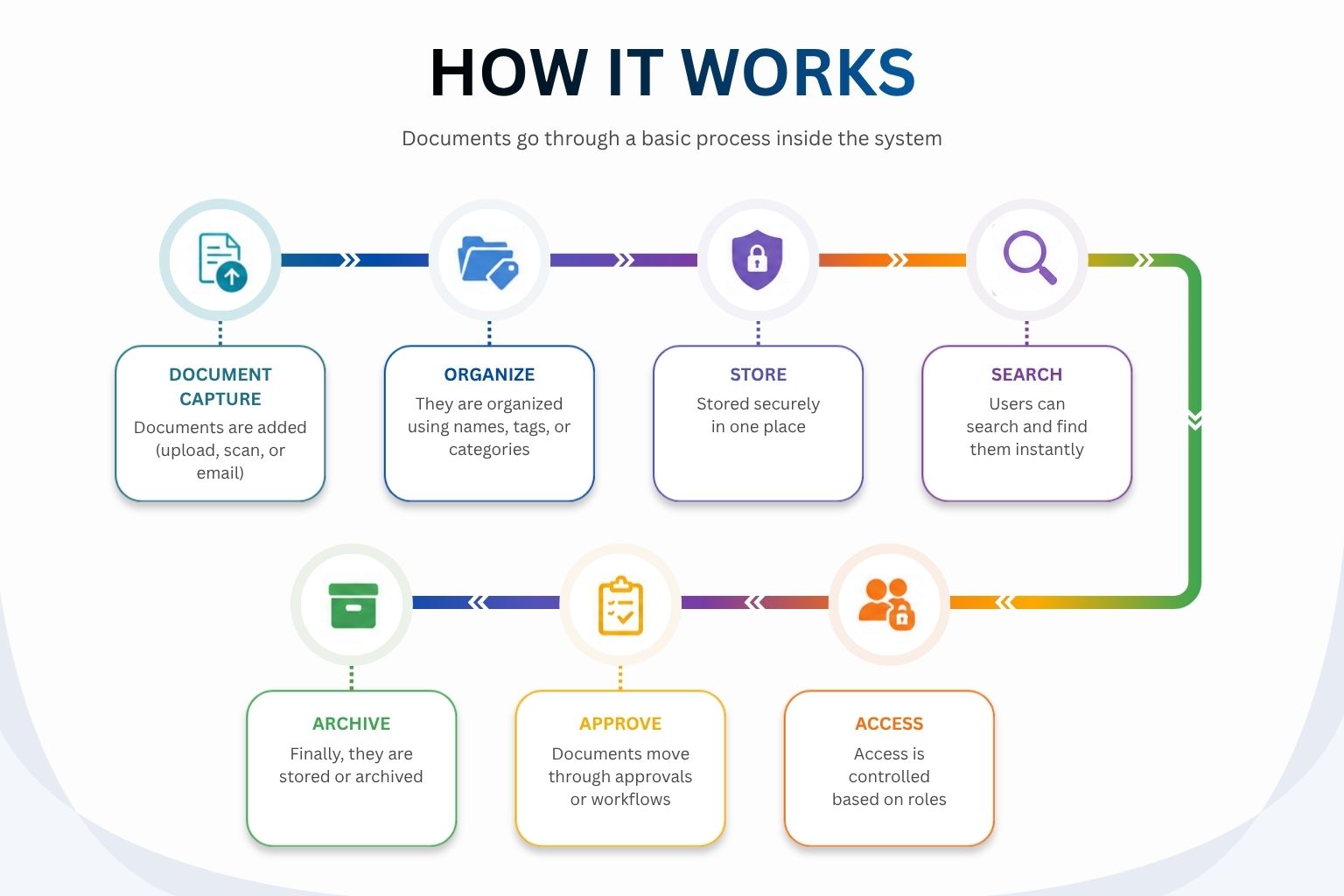
How It Works?
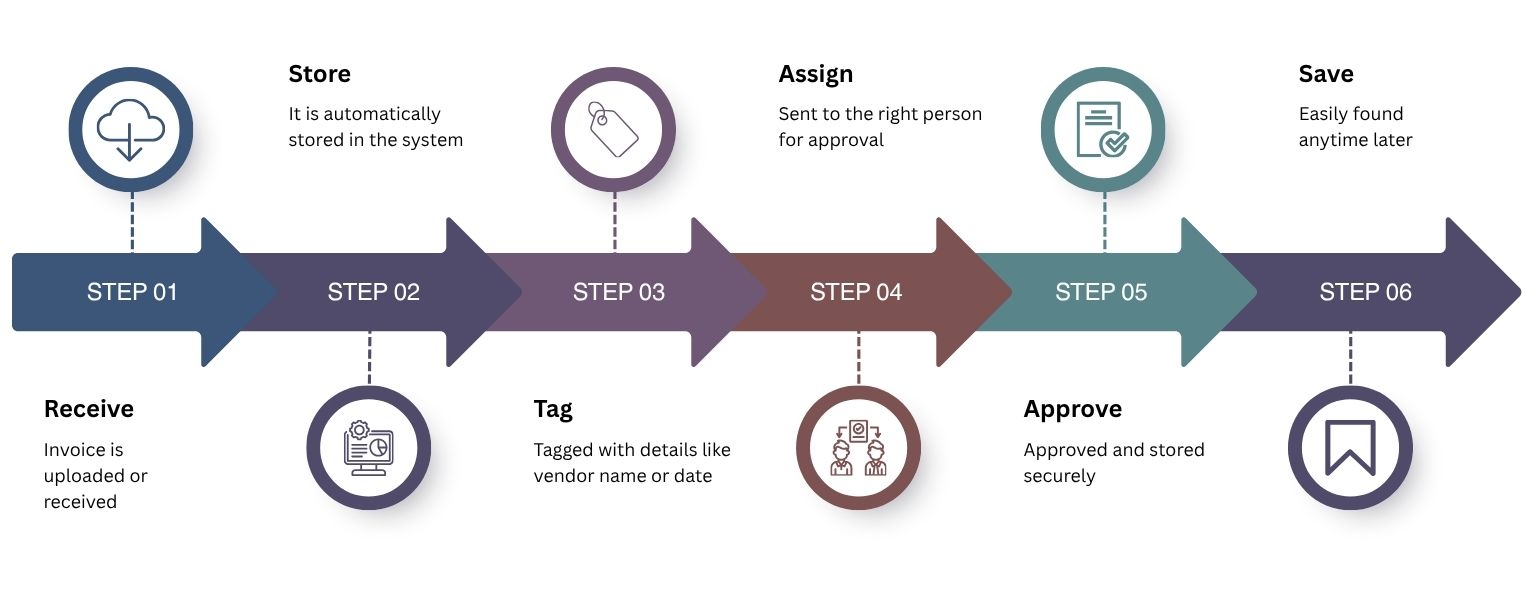
EDMS: Real Business Scenario
Let’s take a simple example.
A company receives invoices every day.
Without a system, invoices are saved in folders, shared on email, and often duplicated. It becomes hard to track who approved what and when.
Signs Your Business Needs an Document Management System
At first, it doesn’t feel like a big issue. Things still “work.” But slowly, document handling starts getting messy—and that’s where the problem begins.
Here are some clear signs to watch for:
- You spend too much time searching for files
- You see the same document in multiple places
- Email has become your document system
- You’re unsure who has access to what
- Approvals keep getting delayed
- There’s no clear structure for storing documents
These may look like small issues, but together they slow down your work and create confusion.
That’s usually the point where businesses realize they don’t just need storage—they need an enterprise document management system.
EDMS: Before vs After
You don’t always notice the problem until you see the difference.
Here’s what actually changes when you move from a basic setup to an enterprise document management system:
|
Before EDMS |
After EDMS |
|---|---|
| Files are scattered across folders, emails, and drives | All documents are stored in one structured system |
| Searching for documents takes time | Documents are found instantly using search |
| Multiple versions of the same file exist | Version control keeps everything clear |
| Approvals happen over emails | Documents move through defined workflows |
| Anyone can access or share files | Access is controlled and secure |
This shift may seem simple, but it changes how teams work every day.
Key Features of an Enterprise Document Management System
A good enterprise document management system is not about having too many features. It’s about having the right ones that actually make daily work easier.
Benefits of Using an Enterprise Document Management System
Once you start using an Enterprise document management system edms, the changes are not dramatic—but they are consistent and noticeable in daily work.
Here’s what actually improves:
You save time every day
You’re not digging through folders or emails anymore. Documents are easy to find.
Less confusion around files
No more “final_v2_latest_final” kind of situations. Version control keeps things clean.
Better control over access
You decide who can see or edit documents. Nothing is left open by mistake.
Approvals move faster
Documents don’t sit in inboxes. They move through a defined process.
Fewer mistakes happen
When everything is structured, errors automatically reduce.
Work feels more organized
Teams don’t have to figure things out every time. There’s a clear way of working.
It’s not about adding complexity—it’s about removing the small daily problems that slow everything down.
Document Management Software vs Basic Cloud Storage
A lot of businesses start with cloud storage—and it works for a while.
You upload files, create folders, and share links. Simple.
But over time, things start getting messy.
- Folders grow.
- Files get duplicated.
- Naming becomes inconsistent.
And finding the right document takes longer than it should.
That’s where the difference becomes clear.
Cloud storage helps you keep files.
An enterprise document management system helps you manage them properly.
With EDMS:
- Documents are organized using structure, not just folders
- You can search files instead of browsing endlessly
- Access is controlled, not open
- Documents follow a process (like approvals), not just storage
So cloud storage is a starting point. But when document volume and complexity increase, it’s usually not enough. That’s the point where EDMS manages all the documents right from storage and organization to access control, workflows, and approvals in a much more structured way.

When an Enterprise Document Management System Is Enough for Your Business?
Not every business needs more than an EDMS.
Ask yourself this:
This is where many businesses start exploring enterprise content management systems that go beyond basic document handling. If your answer is “yes” to most of these, an enterprise document management system is enough for now.
See how Docupile works in real business environments.
Book a Demo
How Docupile Goes Beyond a Traditional System?
A traditional enterprise document management system (EDMS) helps you store, organize, and control documents.
However, Docupile does that—but also reduces the manual effort behind it.
What Makes Docupile Different?
- Automated file naming and organization
- Dynamic folder creation based on rules
- Metadata-driven document management
- Workflow automation for approvals
- Reduced manual intervention
- Consistent structure across teams
- Scalable as document volume grows
- Easy integration with existing tools
How to Choose the Right Enterprise Document Management System?
Choosing an enterprise document management system is not about picking the most advanced tool. It’s about choosing something your team will actually use and benefit from every day.
Here’s how to think about it.
What to look for in?
Start with the basics. A good system should:
- Be easy to use from day one
- Fit into your current way of working
- Keep documents secure and controlled
- Support approvals and simple workflows
- Grow with your business over time
If it feels complicated at the start, it usually stays that way.
Quick Checklist
Common Mistakes to Avoid
Most issues don’t come from the tool—they come from how it’s chosen.
- Choosing file storage instead of real document management
- Ignoring future growth and scalability
- Overlooking security and access control
- Picking something too complex for daily use
- Focusing only on features, not usability
- Not involving the actual users in the decision
Avoid these, and you’ll save yourself from switching systems later.
Conclusion
An enterprise document management system helps bring structure, clarity, and control to your documents. It solves everyday problems like searching, organizing, and managing files. For many businesses, it’s the right starting point.
But as work becomes more connected and processes grow, you may need something that goes beyond just document management.
Choosing a Document mangement solution that can handle both present and future needs—like Docupile—can save you from switching systems later.